
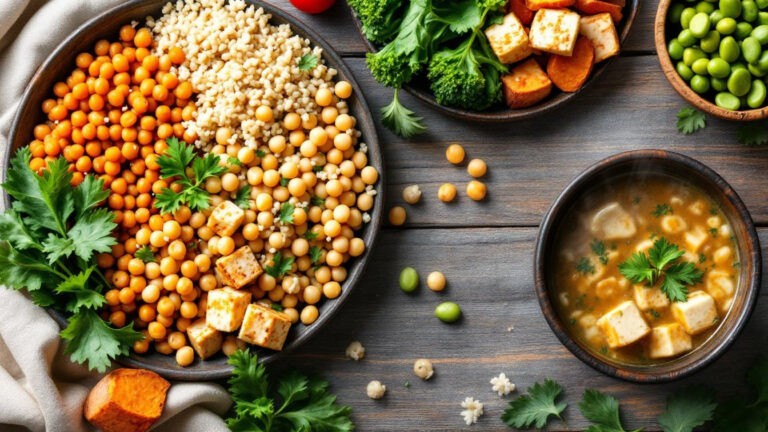
In a culinary landscape where meat has long been championed for its protein content, a surprising contender is stepping into the spotlight: vegan foods. As dietary preferences shift towards more sustainable and health-conscious options, many are exploring plant-based proteins that rival, and even exceed, traditional meat sources. This isn’t just a matter of personal choice; it’s a movement grounded in nutrition, sustainability, and well-being.
Among the myriad of plant-based foods, several stand out for their impressive protein profiles and health benefits. For instance, seitan, often dubbed “wheat meat,” boasts a staggering 21 grams of protein per ⅓ cup, making it a highly versatile meat alternative. Similarly, tempeh and lentils not only supply adequate protein but come packed with essential nutrients, positioning them as invaluable components of a balanced diet. These options don’t just meet protein needs; they also contribute to improved digestion, sustained energy levels, and a lower carbon footprint.
This exploration goes beyond mere numbers. It’s about creating meals that nourish the body while promoting planet-friendly practices. Whether you are a seasoned vegan or just testing the waters of meat reduction, incorporating these protein-rich plant foods can redefine your culinary experience, offering both health benefits and delicious flavors.
Top Plant-Based Protein Sources That Surpass Meat
Understanding the protein content of vegan foods can empower individuals to make informed dietary choices. Here are ten outstanding plant-based proteins that not only compete with traditional meat but often surpass it:
1. Seitan (Wheat Gluten)
With an impressive 21 grams of protein per ⅓ cup, seitan has made a name for itself in plant-based cuisine. It closely mimics the texture of meat, making it a popular choice for stir-fries and sandwiches. Additionally, it supports your body with essential minerals like iron and calcium.
2. Tempeh (Fermented Soybean)
Tempeh delivers between 18 to 21 grams of protein per 3-ounce serving and is celebrated for its complete amino acid profile. The fermentation process also enhances nutrient absorption, making it not just a protein source but a gut health ally. Its nutty flavor enriches salads and tacos alike.
3. Edamame (Immature Soybeans)
A cup of edamame packs 13.5 grams of protein along with fiber that aids digestion. These vibrant green beans can be enjoyed steamed or tossed into salads, providing a delightful flavor while combating hunger.
4. Hemp Seeds
These tiny seeds provide approximately 9.5 grams of protein per three tablespoons. Their mild flavor complements both sweet and savory dishes, making them versatile additions to smoothies or salads. Hemp seeds also deliver a beneficial balance of omega fatty acids.
5. Lentils
Offering about 18 grams of protein per cooked cup, lentils are a staple that can be enjoyed in various cuisines. They are not only protein-rich but also a source of fiber, making them excellent for gut health.
6. Spirulina (Blue-Green Algae)
Spirulina, with 8 grams of protein per two tablespoons, is a complete protein source that’s loaded with antioxidants. This superfood can easily be added to smoothies for a nutrient-dense boost.
7. Nutritional Yeast
Known for its cheesy flavor, nutritional yeast contains about 8 grams of protein per ¼ cup and is often fortified with vitamin B12. This makes it especially valuable for those following a vegan diet.
8. Quinoa
Providing 8.4 grams of protein per cooked cup, quinoa stands out as a gluten-free grain that contains all essential amino acids. It serves as a nutritious base for salads or as a side dish.
9. Mycoprotein (Quorn)
This unique protein source delivers 15 grams per serving and mimics meat’s texture remarkably well. It’s constructed through a fermentation process that maintains its fiber content.
10. Pea Protein
With 20-25 grams of protein per serving when in powder form, pea protein is an excellent choice for those seeking allergen-friendly supplements. It’s versatile enough to mix into shakes or baked goods.
Nutritional Gaps to Monitor in a Vegan Diet
While plant-based diets brimming with protein can be satisfying, it’s crucial to be mindful of certain nutrients that might be lacking. Vitamin B12, often found in animal products, is essential for nerve function and blood cell formation, making supplementation vital for those following a vegan diet. Additionally, iron absorption from plant sources is less efficient than from meat, necessitating careful meal planning to ensure adequate intake.
Adequate omega-3 fatty acids, crucial for brain health, are also a concern, as plant sources primarily offer alpha-linolenic acid (ALA). This highlights the importance of including a variety of foods rich in these nutrients. By maintaining awareness of these critical nutrients, a vegan diet can indeed be balanced and healthful.