Cooking with cast iron is an art that rewards those willing to embrace a little patience. This beloved cookware, which has graced kitchens for centuries, not only elevates the culinary experience but also offers a deeper connection to the traditions of cooking. While cast iron requires special care and a degree of commitment, the benefits far outweigh any initial challenges. Its reputation for durability and exceptional heat retention makes it a timeless choice. The secret lies in understanding how to season it properly, allowing for that coveted non-stick surface that enhances flavor development and enriches meals. For anyone serious about their cooking, investing in cast iron isn’t just practical—it’s transformative.
The Unique Qualities of Cast Iron Cookware
At the heart of cast iron’s allure is its remarkable ability to maintain even cooking temperatures, which is crucial in achieving perfectly seared steaks or rich, hearty stews. Unlike lighter cookware that may heat rapidly but lose warmth just as quickly, cast iron offers a steady cooking experience. This steadfastness is owed to its dense structure—once heated, it holds and distributes heat uniformly, making it ideal for both stovetop cooking and oven use.
The Importance of Seasoning
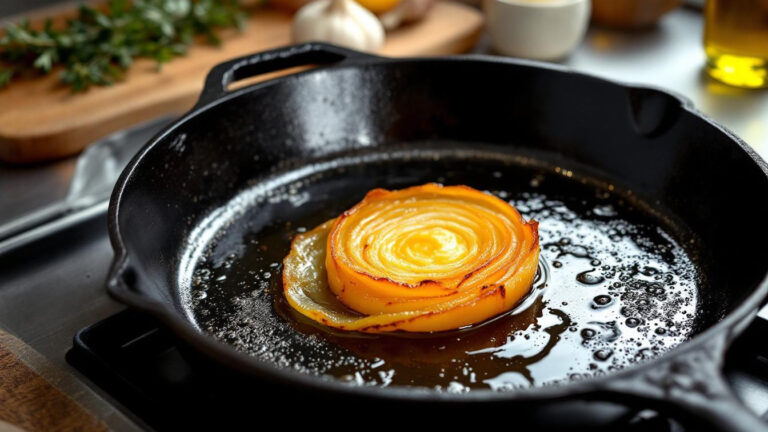
Seasoning is the cornerstone of cast iron’s charm, forming a protective layer that enhances its cooking abilities. This process involves applying oil to the surface and heating the pan, which creates a hard, non-stick coating through polymerization. To maintain this coating, it requires a bit of care. Regularly using and re-seasoning the pan helps build up layers that not only make cooking easier but also add depth to the flavors of the dishes prepared within it. Over time, the seasoning thickens and improves, ensuring that each meal cooked in the pan is infused with character.
The Benefits of Cooking with Cast Iron
The advantages of cooking with cast iron extend beyond its culinary performance. Over time, those who embrace this method will find that their cast iron cookware can significantly enhance their health. Cooking with cast iron can boost dietary iron intake, especially when preparing acidic foods that allow iron leaching into meals. This small yet mighty benefit is particularly valuable for individuals seeking to prevent iron deficiency.
Embracing the Journey of Patience
Cooking with cast iron isn’t without its learning curve, and those unaccustomed may find the early stages demanding. However, every great chef understands that mastery requires time and effort. Each use of the skillet offers a unique opportunity for growth, as the pan improves with experience. Patience in learning to manage temperatures, understanding how to maintain the seasoning, and recognizing the subtle nuances of cast iron cooking develop a cook’s skills over time.
Building a Legacy with Cast Iron
A cast iron skillet is not just a tool—it can become a family heirloom, passed down from generation to generation. Its durability invites longevity, with many pans lasting for decades when treated with love and care. The stories embedded in each scratch and glowing surface make cooking with cast iron a heartfelt experience. Investing time in this cookware craft leads to mastering techniques that transform simple ingredients into extraordinary dishes.