
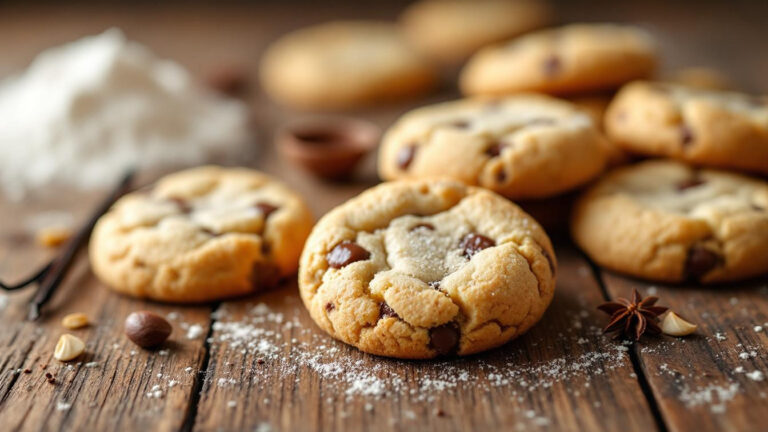
Perfectly soft cookies are the holy grail of baking, a goal every baker, from novices to seasoned pros, strives to achieve. However, the journey to this delicious destination requires more than just following a recipe. It involves understanding the baking science behind cookie texture, exploring how ingredient chemistry, baking temperature, and mixing techniques interact to create that coveted softness. This article will guide you through the intricacies that transform simple dough into a delightful treat that melts in your mouth.
The Role of Sugar Types in Achieving Cookie Softness
Sugar plays a pivotal role in cookie softness, influencing moisture retention and texture. Specifically, the type of sugar used can drastically alter the outcome. Brown sugar, rich in molasses, attracts moisture and promotes a chewy texture, while granulated sugar typically leads to a crisper cookie. For bakers aiming for ultimate softness, a higher ratio of brown sugar is essential, as it enhances moisture retention, resulting in a fluffier, tender cookie.
How Fat Content Impacts Texture
The type of fat incorporated into cookie dough—whether butter, shortening, or oil—significantly influences the final texture. For instance, butter adds rich flavor but melts quickly, potentially leading to thinner, crisper cookies. In contrast, shortening, with its higher melting point, helps cookies maintain their structure and softness. It is not uncommon for bakers to experiment with combinations of butter and shortening to strike the perfect balance of flavor and texture.
The Importance of Baking Time and Temperature
Baking temperature and duration are critical factors in determining whether cookies come out soft or crunchy. An optimal baking temperature of around 350°F (175°C) is commonly recommended for soft cookies. It is essential to monitor cookies closely during the last few minutes; removing them from the oven while they still appear slightly underbaked can allow for carryover cooking, yielding a tender center.
Understanding Gluten Development
Another vital aspect of cookie softness is gluten development. Flour variety impacts gluten formation, with cake flour being preferable for soft cookies due to its lower protein content. Ensuring that the dough is mixed just until combined—avoiding overmixing—will also prevent excessive gluten formation, which can lead to toughness. Thus, opting for cake flour and careful mixing techniques can yield delightfully tender results.
Keeping Cookies Soft After Baking
Proper storage is essential for the longevity of cookie softness. Once baked, cookies should be allowed to cool completely before being stored in airtight containers to stave off dryness. Adding a slice of bread or an apple slice can also help maintain moisture, ensuring that your cookies remain soft and enjoyable for days.
Ingredient Tweaks for Enhanced Softness
To tailor cookie recipes toward softer textures, several ingredient adjustments can be beneficial. Incorporating a small amount of cornstarch can inhibit gluten development, creating a more tender cookie. Additionally, substituting a portion of all-purpose flour with cake flour or using extra egg yolks in the dough can also contribute to a softer bite.
By embracing these baking strategies rooted in baking science, bakers can unlock the secret behind irresistibly soft cookies. The interplay between sugar types, fat content, and meticulous attention to mixing and baking times creates an art form that sustains the warmth and tenderness that defines the perfect cookie.