Many American households have long adhered to the tradition of washing chicken before cooking, believing it to be a vital step in ensuring food safety. However, recent studies indicate that this common practice may do more harm than good. Rather than making chicken safer to eat, washing can actually propagate harmful bacteria like salmonella across kitchen surfaces through cross-contamination. With the rise of food safety education, it’s crucial to understand the real risks associated with washing your chicken and why it’s time to reconsider this habit. Understanding kitchen hygiene better can lead to healthier cooking practices and reduce potential health risks, ensuring that meals are both safe and delicious.
The Myth of Washing Chicken
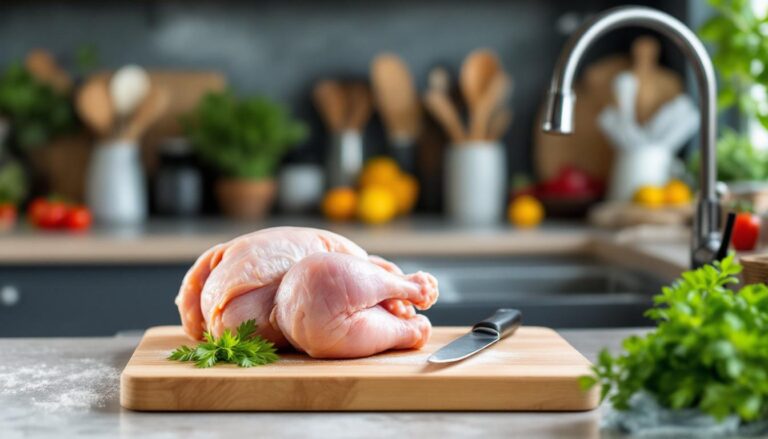
Washing chicken might seem like a logical way to clean off bacteria, but studies show that this practice can send bacteria splashing onto your sink, countertops, and other kitchen tools. In fact, the USDA recommends against washing raw poultry. The mere act of rinsing under running water can spread pathogens instead of washing them away. When cooking chicken, the heat is sufficient to kill bacteria, making washing unnecessary. In fact, proper cooking at the right temperatures is the most effective way to kill any harmful organisms.
Understanding Bacteria and Its Risks
Raw chicken is known to harbor harmful bacteria like salmonella and campylobacter, which can cause severe foodborne illnesses. Each year, millions of Americans fall ill due to these pathogens, with improper handling being a major contributing factor. By washing chicken, you may inadvertently increase the risk of these bacteria thriving in your kitchen. Instead of making the chicken safer, washing it can spread the bacteria to your hands, utensils, and other food items, creating a greater health risk.
Safe Cooking Practices for Chicken
Instead of washing chicken, adopt some safe cooking practices to ensure delicious and safe meals:
- Always cook chicken to a minimum internal temperature of 165°F. Use a meat thermometer for accuracy.
- Keep raw chicken separate from ready-to-eat foods to avoid cross-contamination.
- Clean surfaces and utensils after handling raw chicken to eliminate any lingering bacteria.
- Store raw chicken on the bottom shelf of the fridge to prevent juices from dripping onto other foods.
Changing Habits for Better Health
Reducing the habit of washing chicken is just one step towards better kitchen hygiene. By reframing cooking practices and focusing on safe food handling, it is possible to create a healthier cooking environment. Emphasizing cooking temperature over rinsing not only simplifies preparation but also significantly minimizes health risks for families. As food safety continues to evolve, it’s important to stay informed and adjust cooking habits.