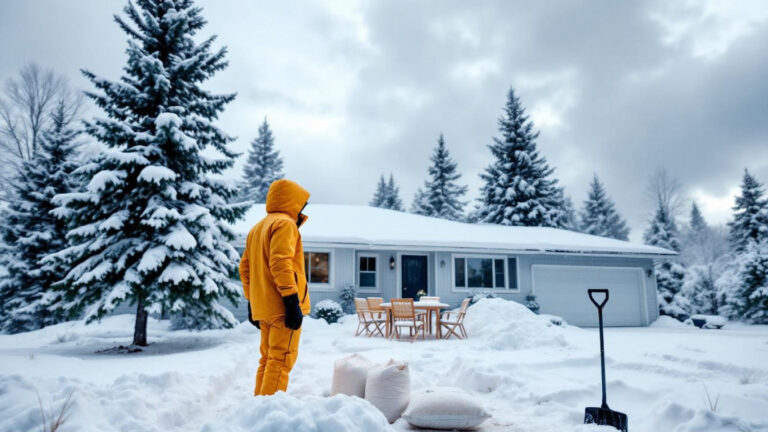
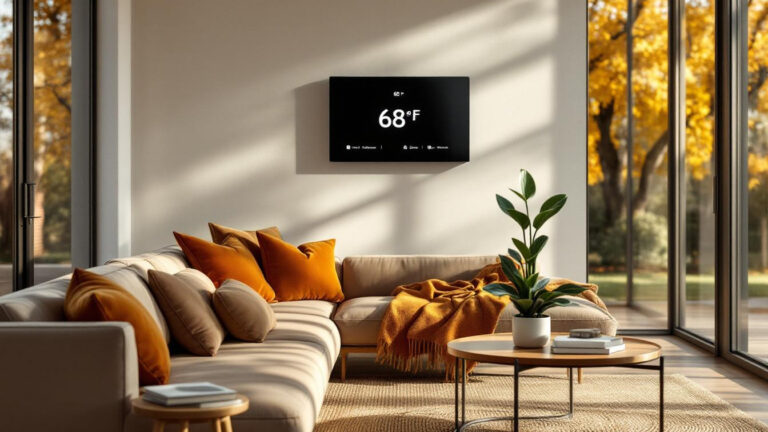
As energy costs continue to climb, understanding the right thermostat settings can lead not only to comfort but also to significant savings. According to experts, finding that balance between thermal comfort and energy efficiency often revolves around a few key temperature points. In summer, keeping your thermostat at around 78°F (26°C) while you’re home ensures a cool environment without running up your energy bills. When you’re away for extended periods, it’s wise to raise it to 85°F (29°C). Winter brings a different challenge, with an ideal setting of 68°F (20°C) during the day, dropping to around 62°F (17°C) at night. These settings not only promote comfort but also align with professional recommendations aimed at optimizing energy conservation.
Recommended Settings for Different Seasons
The changing seasons urge homeowners to adapt their climate control strategies. In the heat of summer, a stable thermostat at 78°F strikes a balance, while utilizing ceiling fans can enhance your comfort. For those sleepless nights when temperatures might feel too warm, a slightly elevated setting of 82°F (28°C) with fans can provide relief. Conversely, winter settings that hover around 68°F for daily activities and dipping to 55°F (13°C) during your absence can safeguard against frozen pipes and excessive heating costs.
Integrated Technology for Enhanced Efficiency
Consider the advantages of using a smart thermostat to facilitate your temperature adjustments effortlessly. These devices can learn your patterns, adjusting the temperature automatically as you leave or arrive home. Features like geofencing ensure that your home is cozy when you’re back without the excessive heating or cooling while you’re away.
Advanced Tips for Energy Efficiency
Optimal settings are just the beginning. The strategic placement of thermostats can make a dramatic impact. Avoid locations near windows or in direct sunlight—this can waste up to 15% of your energy. Instead, position them in central areas around 5 feet from the floor. For larger homes, consider installing zoning systems that allow for room-by-room temperature control, potentially slashing heating and cooling costs by up to 30%.
Addressing Special Considerations
Don’t overlook the unique needs of certain areas and inhabitants within your home. For example, pets require a minimum temperature of 60°F in winter, while tropical plants thrive best above 65°F. Server rooms and electronics also have specific requirements that must be factored into your overall home climate strategy!